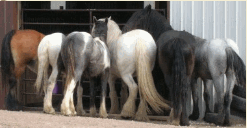
I have been feeding our draft-horses a high-fat/low-carb diet (EPSM diet) since Feb-2002, and we have never had problems with colic, founder, diarreah, muscle dieseases, skin-problems, hoof-problems, etc. - not even a runny nose.
I swear by this diet - and here is more information about it:
Decrease carbohydrates by eliminating as much as possible grains or sweet feeds, substituting hay-based pellets and/or commercial pelleted or extruded feeds known to be lower in carbs. Horses not on any grain at all may still have problems with EPSM, so it is not just feeding grain that is the problem, but feeding too little fat. Add fat to the diet to bring total daily calories to about 25% calories from fat, which you can accomplish with 2 cups = 1 pound of vegetable oil or powdered animal fat designed for horses or pigs, or by substituting rice bran for some of the oil. In fat content, 1 cup oil = 2.5 pounds rice bran. Total added fat may be reduced by feeding very high fat commercial feeds; right now the best of these is Buckeye Ultimate Finish (25% fat). The following diet provides a maintenance ration per 1,000 pounds of horse per day. Amounts should be increased or decreased according to the horse's weight and/or level of work. At any rate, the only important ingredient to accurately measure is the fat.
Here are more details about what and how we feed:
OIL / FAT: 2 cups of oil (1 pound of fat) per 1,000 lbs per day
TREATS: Alfalfa Cubes (cheap and healthy)
HAY: Grass Hay - free choice
FEED: I mix about 12 parts of Alfalfa pellets with one part of water, let it soak for about 10 minutes, then add 2 parts of oil * and, if needed, some Red Cell and/or joint supplement (Corta Flx liquid), mix and let stand for at least 2 hours (I do it overnight). Right before feeding I add any supplements (Selenium !!), medication or wormers if necessary. If you get the mix right, the alfalfa pellets soak up all the oil w/o falling apart or turning into mush, and the feed is almost dry (it looks like soft, over-sized Alfalfa pellets then). The amounts I've given are an estimate since I mix feed in a big cement mixer. An adult draft horse should get about 3-4 cups of oil daily. If the mixing is too much trouble for you, you can just as easily poor the oil on the hay (if every horse has it's own hay supply), or try using dry Alfalfa pellets and just pouring the oil over it right before feeding - some horses eat it that way, some don't.......
* NOTE: The original receipe by Dr. Beth Valentine calls for soy, canola or corn oil. Due to financial aspects, I use regular soy-oil that I buy in 5-gallon containers at Sam's Club. However, I received multiple e-mails with comments and facts about OIL - please find that information on a separate webpage: OIL
Recipe for a Happy Draft Horse
This all-purpose diet will feed one 1,500 to 2,000 draft horse for one day. The alfalfa pellets may be mixed or substituted with Nutrena Compete, Purina Strategy or Equine Senior, Southern States Legend, Blue Seal Hunter, Demand, or Racer. 2-6 scoops (6-9 pounds) alfalfa pellets 3-4 cups oil (soy, canola, or corn) 1-2 ounces Vitamin E/selenium supplement Buckets of water Heaps of good forage Tons of love and respect